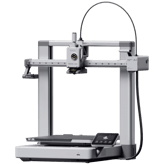
FYSETC Voron 0.2 R1 Pro Reviews: See Why 0 Shoppers Rated It 0 Stars!
With a 0/5 from 0 reviews, the FYSETC Voron 0.2 R1 Pro 3d printer gets a lot of love (and side-eye). We looked into both sides.


 Recaptor
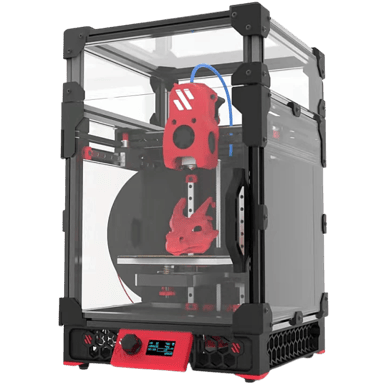
FYSETC Voron 0.2 R1 Pro: A Precision Powerhouse in FDM Printing
When it comes to professional-grade 3D printers, the FYSETC Voron 0.2 R1 Pro stands out as an advanced FDM/FFF kit designed for enthusiasts and experts alike. Built primarily for prototyping, miniatures, and engineering applications, this printer is pitched to those who demand reliability and quality from their hardware. Judging by its FDM/FFF printing mechanism and its meticulous design, it aims to be a serious contender in the competitive desktop 3D printer segment. Through its measurable features, such as a versatile build volume and high-temperature extruder, this model reflects a clear ambition to support complex, high-detail prints with consistent results.
Diving into the assembly-type, the Voron 0.2 R1 Pro is a kit that requires users to engage in assembly, catering specifically to an advanced audience comfortable with technical setup and upgrades. It offers a handy upgrade path, promising longevity and customization. According to specs, its warranty period is one year; fairly standard for this category, and it debuted in 2023, making it a current model with up-to-date components. The printer's compact footprint, with a package weight of about 21 pounds and a frame size just under 10 inches in width and depth, balances desktop presence and practicality well.
This machine's power supply voltage of 100-240 volts ensures global compatibility, and it operates efficiently with a maximum power draw of 150 watts while using only 15 watts in idle, indicating reasonable energy use for long runs. Operating within a temperature range of 59-86°F and humidity levels between 20-80%, the device is well-suited for typical indoor environments without requiring controlled conditions. This range aligns well with professional and home office setups, promising robust operation under typical conditions.
Exploring the build specifications, the printer's build volume of 4.72 inches cubed, or around 105 cubic inches, offers a modest but precise printing area. Typical for high-detail models, this volume suits small to medium-sized parts, particularly useful in prototype refinement or mechanical components. The single extruder system utilizes a direct drive with a supported filament diameter of 1.75mm, capable of handling materials like PLA, ABS, PETG, Nylon, and TPU. This broad material compatibility extends user creativity. At a max extruder temperature of 500°F and a bed temperature maximum of 212°F, the machine is well-prepared for engineering-grade materials demanding elevated heat, enhancing its application scope.
Design & Build
What stands out most in the CoreXY frame design is its hallmark for speed and precision; a proven mechanical layout that improves motion efficiency. Coupled with a closed enclosure, it offers better thermal stability to reduce warping, which is important for printing engineering plastics. The removable PEI build plate has a textured surface for optimal adhesion while being easy to handle post-print. Safety and reliability are further enhanced by features like an emergency stop button and power loss recovery system, giving peace of mind during extended or complex print jobs. Its compact weight of 12.13 pounds supports doable portability within workshops or labs.
Performance
Based on specs, the printer supports an official max print speed of 150 mm/s with a measured effective speed even higher at 250 mm/s, indicating it can handle rapid iterations without sacrificing accuracy. The 90% print success rate and ability to run continuous prints for up to 72 hours demonstrate solid reliability for professional or educational environments. Moreover, the integration of manual bed leveling, filament runout sensor, and print recovery reflects thoughtful attention to workflow continuity. These elements collectively reduce downtime and user intervention during critical prints.
Connectivity & Software
Users can expect an intuitive USB connectivity option complemented by remote monitoring capabilities, a critical feature for managing prints from a distance. The compatibility with Cura slicer software and support for file formats like STL, OBJ, and G-code places it well within standard workflows. Interestingly, the firmware supports updates and remote upgrades, allowing the device to stay current without complicated manual intervention. These intelligent business features, such as multi-printer fleet control and a usage analytics dashboard, also hint at this model's suitability for small to medium print farms or collaborative educational settings.
Pros & Cons
Pros
- High max extruder temperature of 500°C, enabling advanced filament compatibility
- CoreXY closed frame provides stability and precise motion
- Robust print recovery and filament runout detection, ensuring fewer failed prints
- Remote monitoring and firmware update support improve user control and flexibility
Cons
- Assembly required, which might deter beginners or casual users
- No built-in touchscreen display or camera, limiting some convenience features
- Limited to a single extruder, reducing multi-material print flexibility
Price & Value For Money
At $450, the $450 at FYSETC.com, this printer delivers considerable value given its advanced mechanical structure and high-temperature extrusion capabilities. The one-year warranty offers typical coverage, reassuring for new buyers investing in a complex kit. When you factor in extensive material compatibility and robust connectivity options, the machine is competitively priced for professionals who want a reliable workhorse without premium desktop costs. That said, those new to 3D printing or who prefer plug-and-play setups might find the initial assembly and tuning to be a barrier.
Quick Take
In short, the FYSETC Voron 0.2 R1 Pro impresses with its precision, speed, and strong support for high-temperature materials, ideal for advanced users. Its robust frame and smart features like print recovery and remote monitoring elevate its suitability for demanding projects. If we look at the numbers alone, it's a potent desktop machine crafted for serious makers who value control and quality.
Closing Recommendation
The FYSETC Voron 0.2 R1 Pro may be ideal for enthusiasts and professionals who have the skills and patience to assemble and finely tune a detailed 3D printer. It appears to perform best in settings where print quality and consistency are paramount, particularly for prototyping and engineering applications. Its solid specs indicate it helps users achieve excellent results, even in extended operations, making it a worthwhile consideration for a skilled crowd.
Verdict
Rating: Based on the specifications and overall feature set, we believe FYSETC Voron 0.2 R1 Pro deserves 4.4 out of 5.
- Winner Feature => The high maximum extruder temperature of 500°C combined with a CoreXY closed frame offers unmatched versatility and print quality at this price point.
- Needs Improvement => The lack of a built-in touchscreen and the single-extruder limitation restrict ease of use and multi-material printing options for some users.
Reviews 0
The good, the bad, and the brutally honest.Average Rating

More 3D Printers 453
Unlock more awesome finds.